Cryptic Creatures of the Creuddyn was a two-year project focussing on invertebrates associated with limestone habitats on the Creuddyn peninsula.
It was a partnership between Conwy County Borough Council, Natural Resources Wales and Butterfly Conservation.
The Great Orme and the wider Creuddyn peninsula are hugely important for wildlife. The hills and dramatic cliffs are made of limestone and the grassland habitats on these thin soils are rich in wildflowers including bright yellow Common Rock-rose and the scarcer Hoary Rock-rose, tiny purple Wild Thyme and White Horehound. These plants provide food and shelter for a wealth of fascinating invertebrates, many of which are very rare and like the warm, south and southwestern facing slopes.
The Cryptic Creatures of the Creuddyn project was set up to discover more about these special invertebrates and how we can help them. Silver-studded Blue and Grayling are two iconic butterflies of the Creuddyn area, and they have been well-studied over the years. However, much less is known about some of the equally special moths and beetles that are such important parts of the limestone habitats of this beautiful area.
During 2024 and 2025 the project team worked with specialists, students and local volunteers to carry out bespoke survey works to try and learn more about the distributions of these rare species and the conditions they need to thrive. Some of the results were very exciting and quite unexpected!
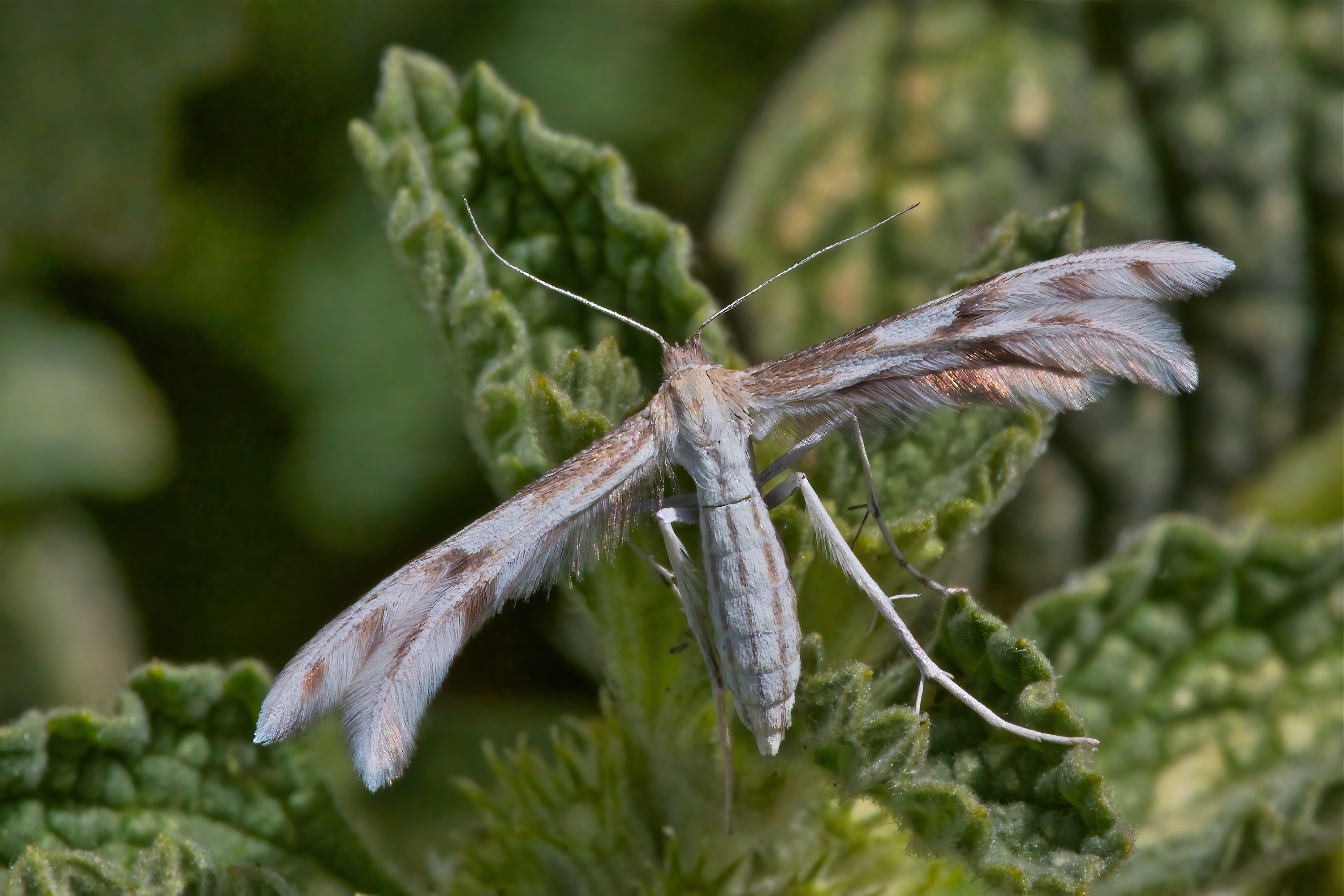 Horehound Plume is a strange but beautiful, feathery looking moth.
In Wales, it is now only found on the Creuddyn peninsula. Elsewhere, it is very rare in southern areas of England.
Larvae feed on White Horehound and an amazing total of 1,443 were found on the Great Orme in 2024 – it seems to be doing well!
Photograph © Iljia Vukomanovic
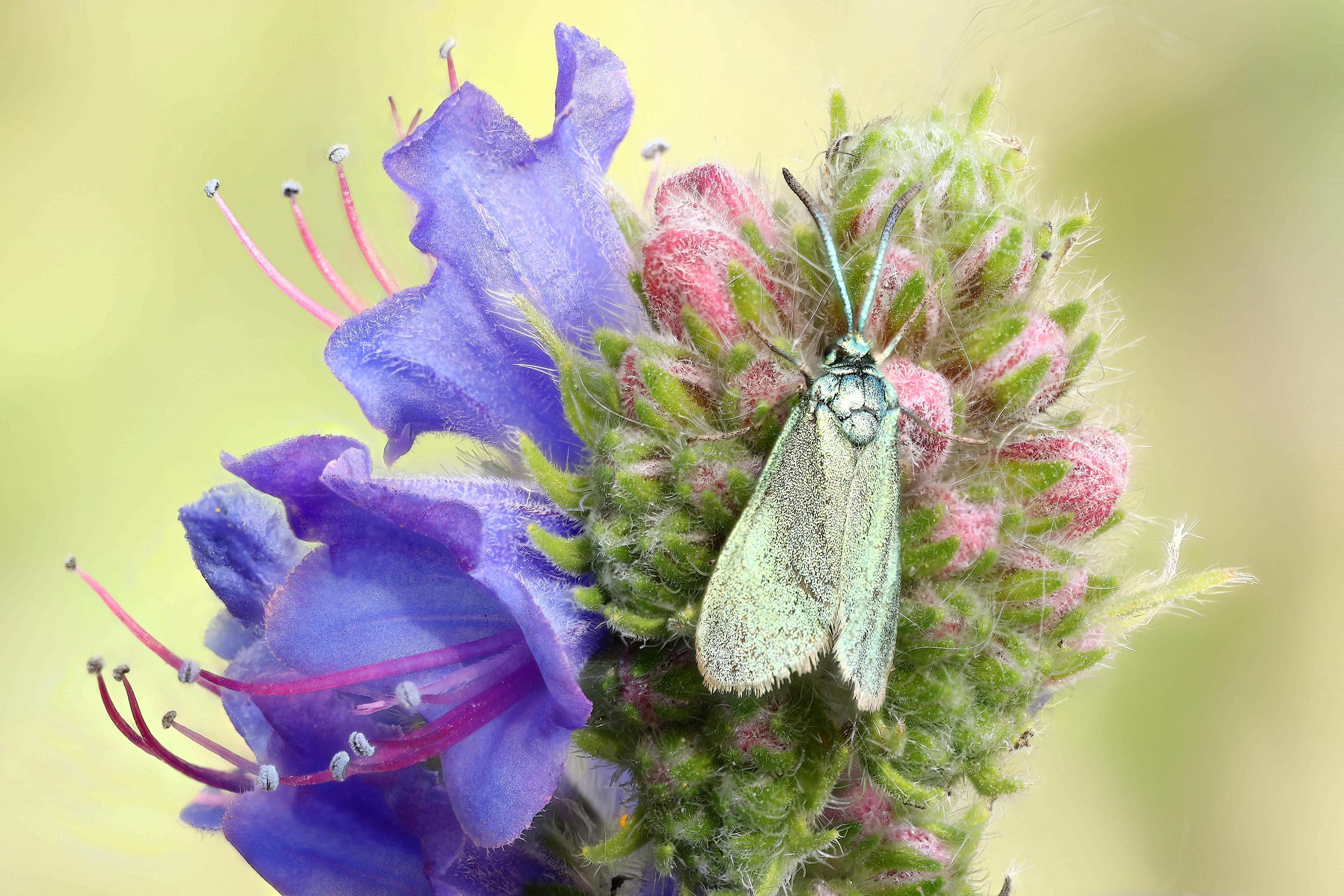 Cistus Forester is beautiful metallic green moth that flies during the day.
In Wales, it is now only found on the Creuddyn peninsula. In England, it is found on limestone and chalk grasslands but has been lost from many areas of its range.
Larvae feed on Common Rock-rose - Cistus is another name for Rock-rose. Good numbers were recorded on the Great Orme in 2024 and it seems to be doing well!
Photograph © Janet Graham
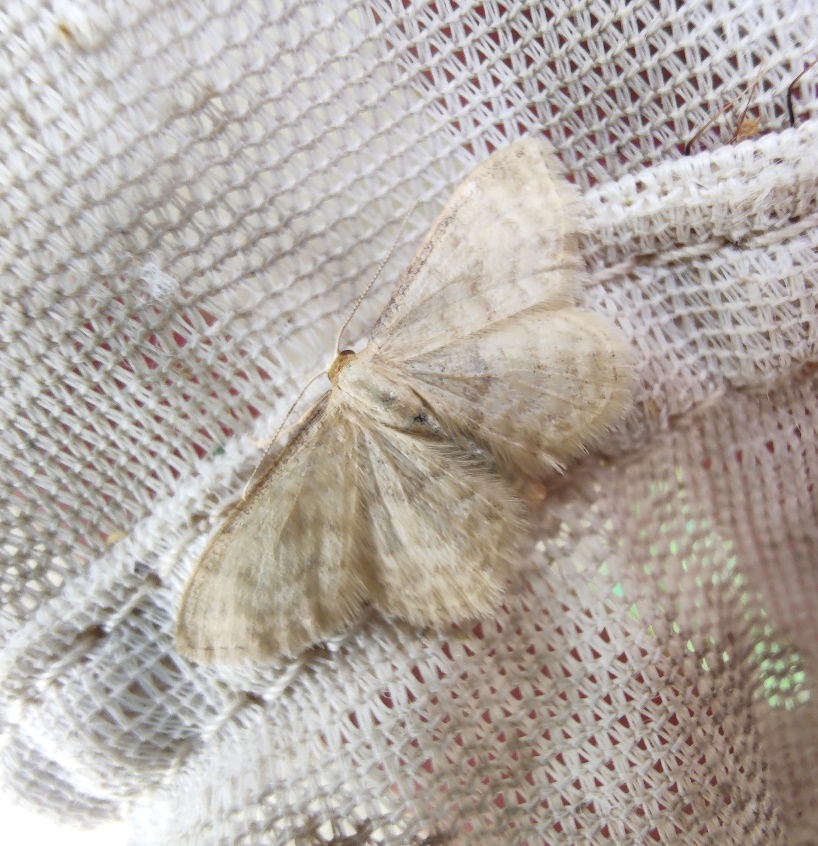 Silky Wave is a pretty moth with a silky sheen - it’s very rare!
In Wales, it is only found on the Great Orme and the South Gower coast. In England, it is only found in the Avon Gorge, near Bristol.
Larvae feed on Common Rock-rose, but adults need taller vegetation and scrub for roosting during the day. 265 individuals were recorded along the transect route in 2024 - this was the highest count ever! They also had a good year in 2025.
Photograph © Thom Dallimore
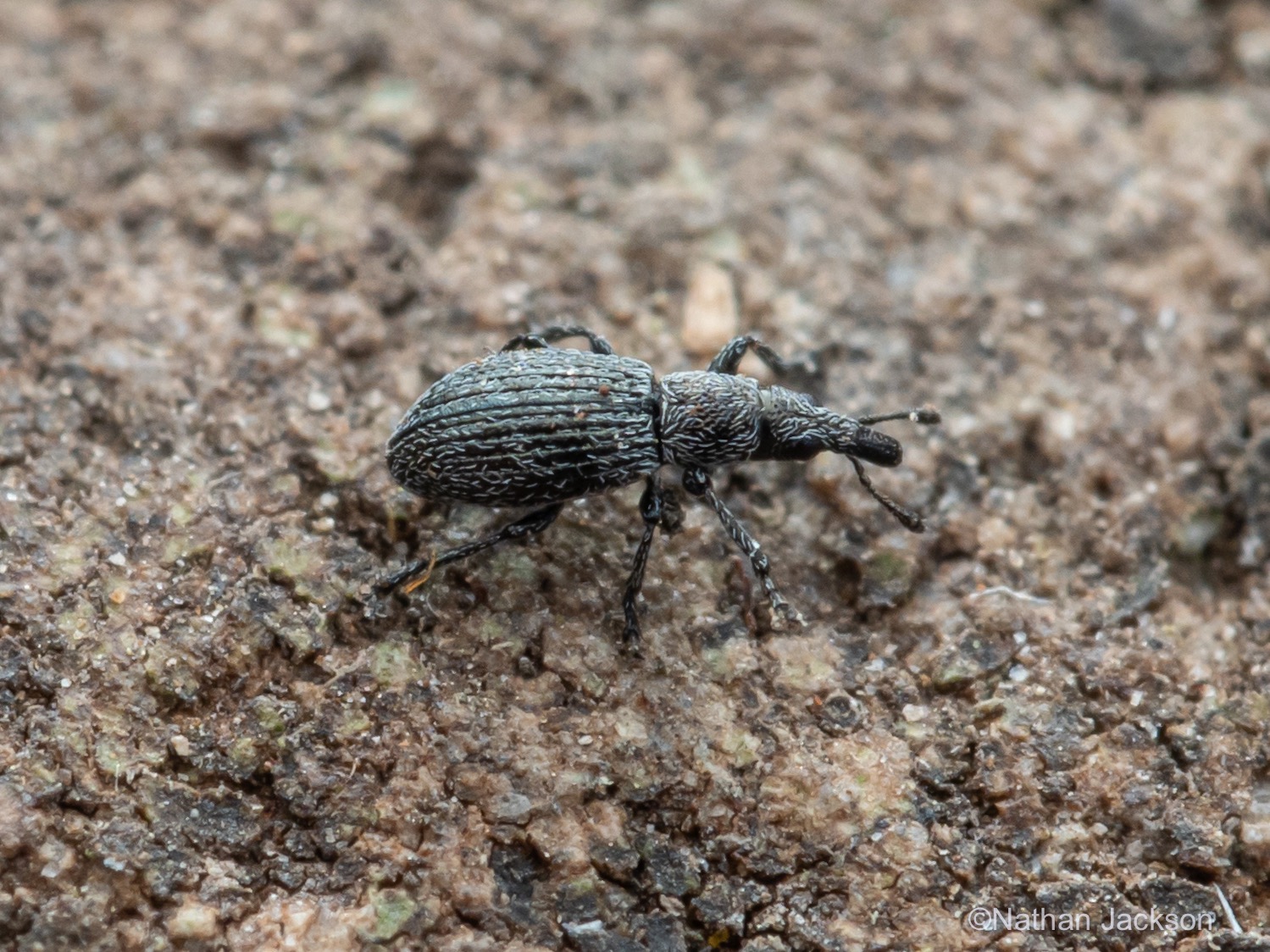 Helianthemapion aciculare is a tiny wingless, weevil that is only found on the Great Orme in the whole UK!
It was discovered for the first time in the UK on the Great Orme in 1992 and this is still its only known UK locality.
Larvae feed on Rock-rose species. Very little is known about how they live, but we think they like only the warmest places on the Great Orme. Now found at four separate sites.
Photograph © Nathan Jackson
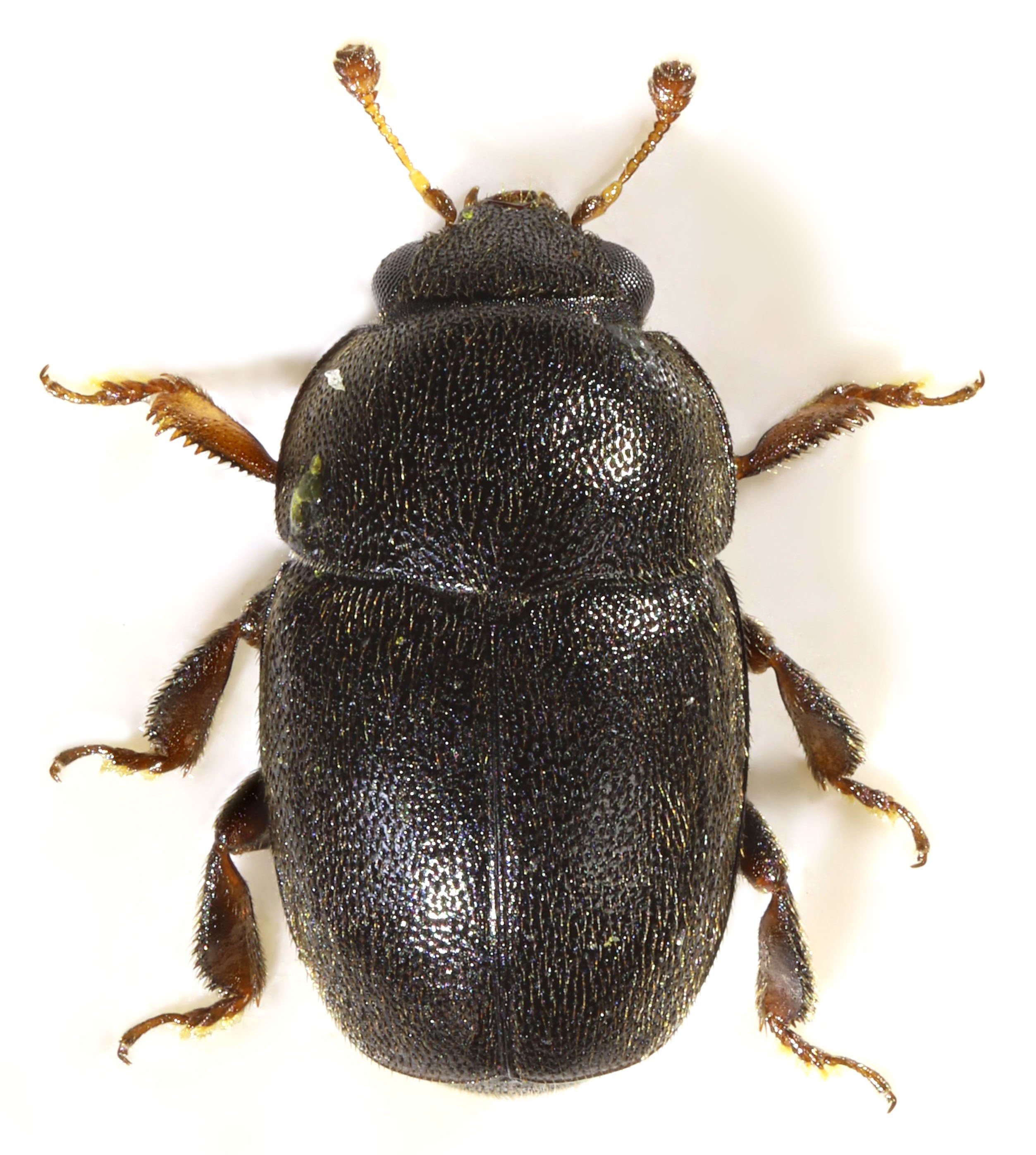 Meligethes brevis is a tiny pollen beetle with a taste for Rock-rose!
In Wales, it is only found on the Creuddyn peninsula. In the rest of the UK, it is currently only known from a handful of localities in Durham and Yorkshire.
Larvae feed on Rock-rose species and adults readily take to the wing. It is widespread on the Great Orme. Surveys re-discovered them at Nant y Gamar, Bryn Euryn and Marl Hall, and three completely new sites were found in the Creuddyn area.
Photograph © Janet Graham
Engaging the wider community
Local people were invited to learn more about these amazing creatures on guided walks and events, and by taking part in survey work.
Prior to the project, there were concerns that Chestnut-coloured Carpet, a rare moth found on and around Juniper bushes, had become extinct on the Great Orme - thankfully, this turned out not to be the case.
Members of the community have been helping to find the caterpillars of Chestnut-coloured Carpet and a local naturalist was the first to record this species in a moth-trap put out on the Great Orme since 2009. Surveys were also carried out by volunteers for Horehound Plume and Cistus Forester over the wider Creuddyn peninsula.
Local primary schools have been involved with the project - around 450 children from nine different schools took part in a bespoke activity programme called ‘Elin y Cerrig – The Lost Guardian of the Limestone’ to learn more about the special invertebrates and habitats found in their local area.
Habitat management
Understanding the needs of the different invertebrates is key to making sure that we are managing their habitats in a way that ensures that they have all they require to thrive.
Grazing by sheep, goats and rabbits is essential to maintain the Rock-rose rich swards that many invertebrates depend on, but some species also need areas of longer grass and scrub.
Sympathetic scrub management and control of non-native Cotoneaster is required to ensure that invasive species don’t encroach onto the grasslands. Sympathetic mowing regimes can also help to prevent grassland from becoming dominated by coarse grasses and helps maintain flowery areas.
 This project is funded by the Nature Networks Programme.
It is being delivered by the Heritage Fund, on behalf of the Welsh Government.
